Lifestyle & Budgeting
How to Make an Effective Wishlist That Saves Time and Money
Turn your scattered wishlist into a powerful tool for smart shopping. This guide provides a step-by-step plan to help you organize desires, stop impulse buys, track prices, and save money on what you truly want.


Let’s be honest: your current shopping wishlist is probably a digital junk drawer. It’s a chaotic mix of screenshots on your phone, a dozen open browser tabs, and favorited items scattered across different online stores. This disorganization isn't just messy—it's expensive. It leads to forgotten ideas, missed sales, and impulse buys that often end in buyer's remorse.
But what if your wishlist could be more than a random list of wants? What if it could become your most powerful tool for smart shopping—a strategic plan that helps you buy with intention, eliminate stress, and save money on the things you truly desire? This guide is about transforming your approach.
We’ll walk you through, step-by-step, how to turn a simple collection of ideas into an active plan for becoming a more savvy, intentional, and financially confident shopper.
Why a Well-Organized Wishlist is a Financial Superpower
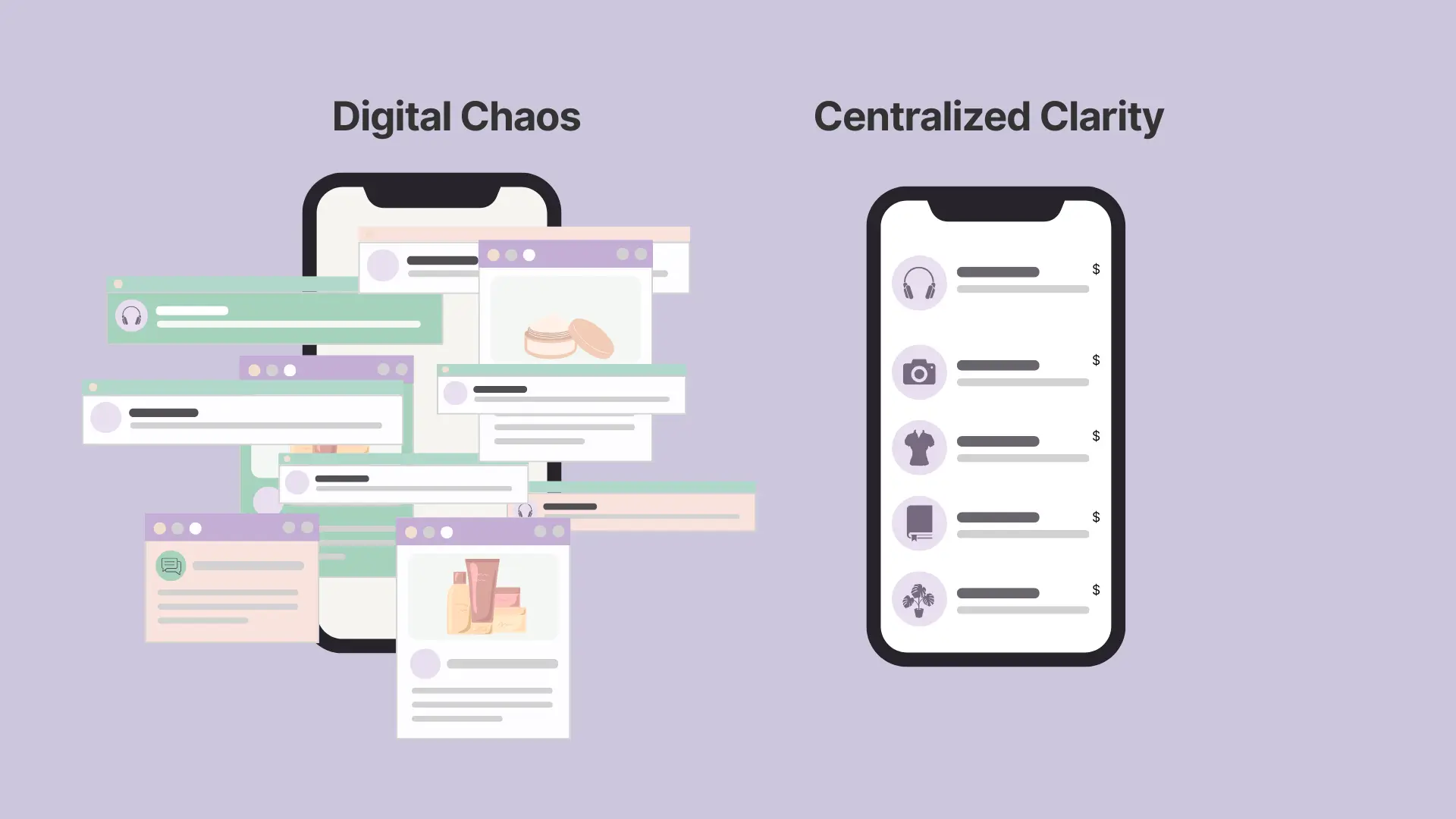
Before we dive into the steps, it’s important to understand the fundamental shift we’re aiming for. A scattered list of wants is passive; it’s something that happens to you. A well-organized wishlist is active; it's a tool you use. The simple act of bringing your desires into one, clear space creates a crucial pause. It forces you to move from mindless impulse to mindful intention, allowing you to see your goals as a whole rather than as isolated temptations.
This clarity is the foundation for every smart shopping decision that follows. You can’t track prices on items you can’t find. You can’t budget for goals you can’t see. A clean, organized wishlist makes your ambitions visible and actionable, turning them into a concrete plan you can execute with confidence. It becomes the command center for your entire shopping strategy. So, let’s build it, starting with the most important part: the blueprint.
Step 1: Define the Goal of Your Wishlist

Before you can build an effective wishlist, you need a blueprint. The first step isn’t adding items; it’s understanding the purpose your wishlist will serve.
Is it a list for personal goals, a way to organize gift-giving, or a mix of both? A wishlist without a clear goal quickly becomes a "digital junk drawer"—a chaotic list of fleeting desires that leads to impulse buys and buyer's remorse.
By defining the 'why' behind your list, you transform it from a passive collection of wants into an active tool for mindful planning and smart financial decisions.
The 'Why': From Mindless Wanting to Mindful Planning
The core of a strategic wishlist isn't just about what you want, but why you want it. Every item on your list should have a purpose. This simple shift in mindset is the most powerful filter against impulse spending. It forces you to pause and connect a potential purchase to a genuine need or a long-term goal.
To put this into practice, perform a quick "Intentionality Check" for every item you consider adding:
What problem does this product solve or what specific joy will it bring? (e.g., "These noise-canceling headphones will help me focus while working from home.")
Is this a 'need,' a 'strong want,' or a 'fleeting desire'?" (e.g., A winter coat is a 'need,' a high-quality camera for your hobby is a 'strong want,' and the gadget you saw on social media is likely a 'fleeting desire.')
Remembering your 'why' is crucial when a tempting flash sale pops up weeks later. This is where a dedicated tool becomes invaluable. Instead of letting an item get lost in your browser tabs, consciously placing it into an organized list turns a fleeting want into a concrete goal. This deliberate action helps solidify your purpose. Later, when you get a price alert, you aren’t just reacting to a sale—you are presented with a chance to fulfill a goal you intentionally set for yourself.
Gift Wishlist vs. Personal Wishlist
One of the easiest ways to bring focus to your lists is to separate them by purpose. The two most common types are personal and gift wishlists, and they serve very different functions.
Personal Wishlists: This is your space for self-improvement, hobbies, and needs. The goals here are long-term value and personal satisfaction. Price tracking is your best friend, allowing you to patiently wait for the perfect deal on something you truly want.
Gift Wishlists: These are all about organization and thoughtful giving. You can create separate lists for family members and friends, adding ideas as they come up throughout the year. The focus here is on finding the right item by a specific deadline (like a birthday or holiday) at the best possible price.
⭐ Pro Tip: Start your holiday gift list in July or August. You'll have plenty of ideas logged and can track prices through the autumn sales, avoiding last-minute stress and overspending in December.
Long-Term vs. Short-Term Wishlists
Another powerful way to organize your personal wishlist is by time frame. This aligns your shopping habits directly with your financial goals.
Short-Term Wishlists: This list is for items you intend to buy within the next three months. Think of things like a new book, replacement running shoes, or kitchen supplies. The goal is to avoid paying full price for items you'll be purchasing soon anyway.
Long-Term Wishlists: This is for your "big ticket" items—the things you want but don't need immediately. This could be a new laptop, a designer handbag, a piece of furniture, or a camera. This list is a savings tool. Add the item, set a realistic target price, and let a price tracker do the work while you save up. It builds patience and ensures you never overspend on a major purchase.
⭐ Pro Tip: For long-term items, use the notes feature to link to product reviews or comparison videos. When you finally get a price alert months later, your research will already be done.
Step 2: Choose the Right Wishlist Platform
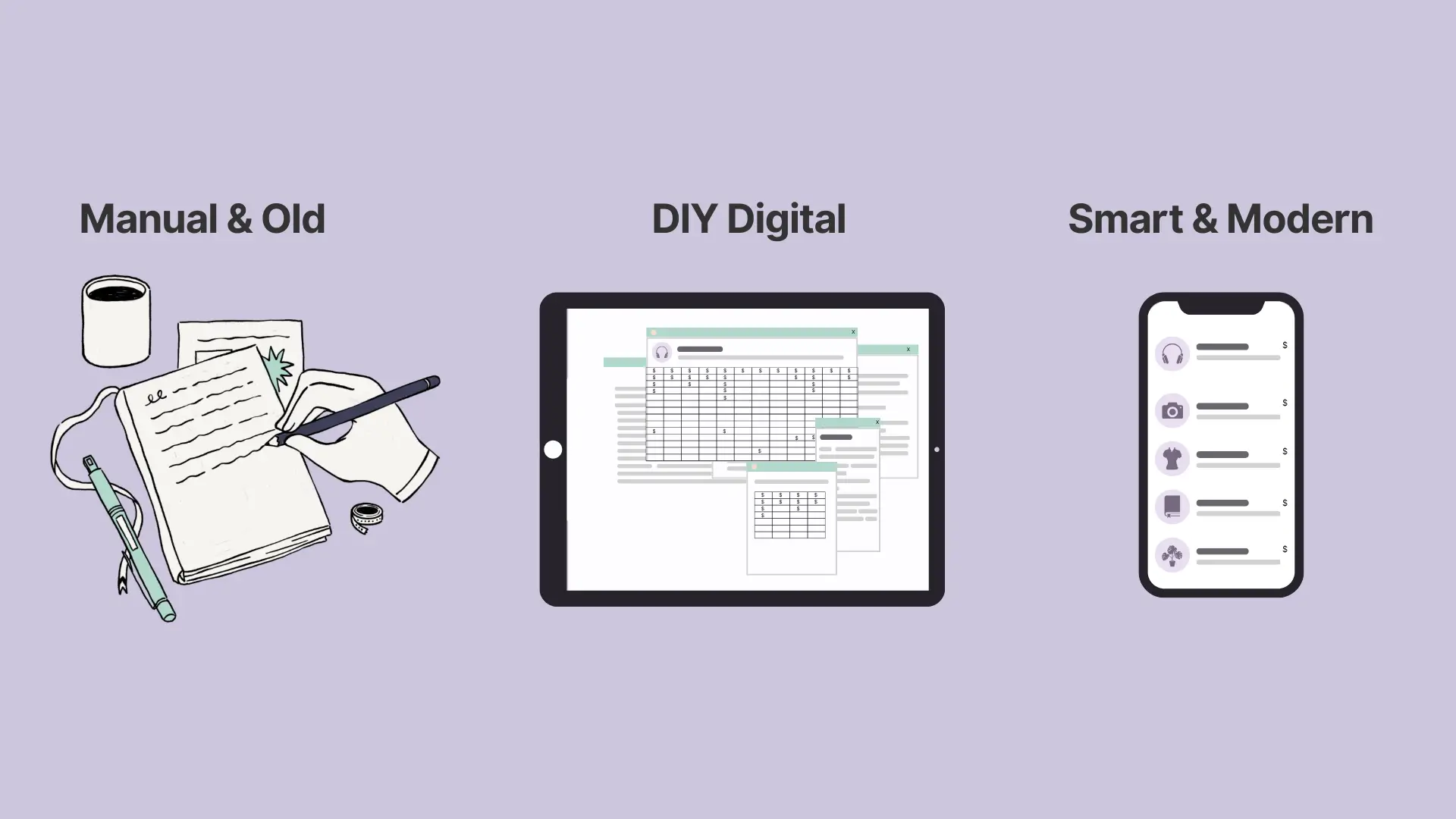
Once you know your 'why,' the next crucial step is choosing your 'where.' The tool you use to manage your wishlist will determine whether it becomes a powerful financial ally or a forgotten file. The right platform moves you from passively wanting to actively planning.
Let's explore the options, from simple pen and paper to the smart, automated tools that do the hard work for you.
The Classic Method: Pen and Paper Wishlists
There's a certain charm to a physical notebook or journal. It’s simple, tactile, and free from digital distractions, making it great for initial brainstorming or for those who love analog tools.
Pros: Easy to start, encourages mindful reflection without the distraction of endless browser tabs.
Cons: Highly impractical for modern online shopping. You can't save links, you have no way to track price changes, lists are easily lost or damaged, and you can't access it on the go.
⭐ Pro Tip: Use a notebook for your initial "dreaming" phase. Jot down goals and ideas first, then transfer the concrete items you decide to pursue onto a more dynamic digital platform.
The DIY Digital Wishlist: Notes Apps and Spreadsheets
This is the most common method for many people. Using tools you already have, like Google Keep, Apple Notes, a spreadsheet, or even just a folder of browser bookmarks, is a definite step up from paper.
Pros: Accessible across your devices, easy to copy and paste links, and better than nothing for basic organization.
Cons: This method requires constant manual labour. It quickly becomes cluttered, and you have to personally visit each link over and over to check for a price drop. You're flying blind without historical price data, and there are no automatic alerts. The entire burden of finding the deal rests on you.
⭐ Pro Tip: If you're using a spreadsheet, you can add columns for "Target Price," "Date Added," and "Store." This helps add structure, but still relies on you to manually track everything.
The Smart Solution: A Dedicated Price Tracker & Wishlist App
This is where technology transforms your wishlist from a static list into a dynamic, money-saving engine. A dedicated app is built specifically to solve the problems that manual methods can't.
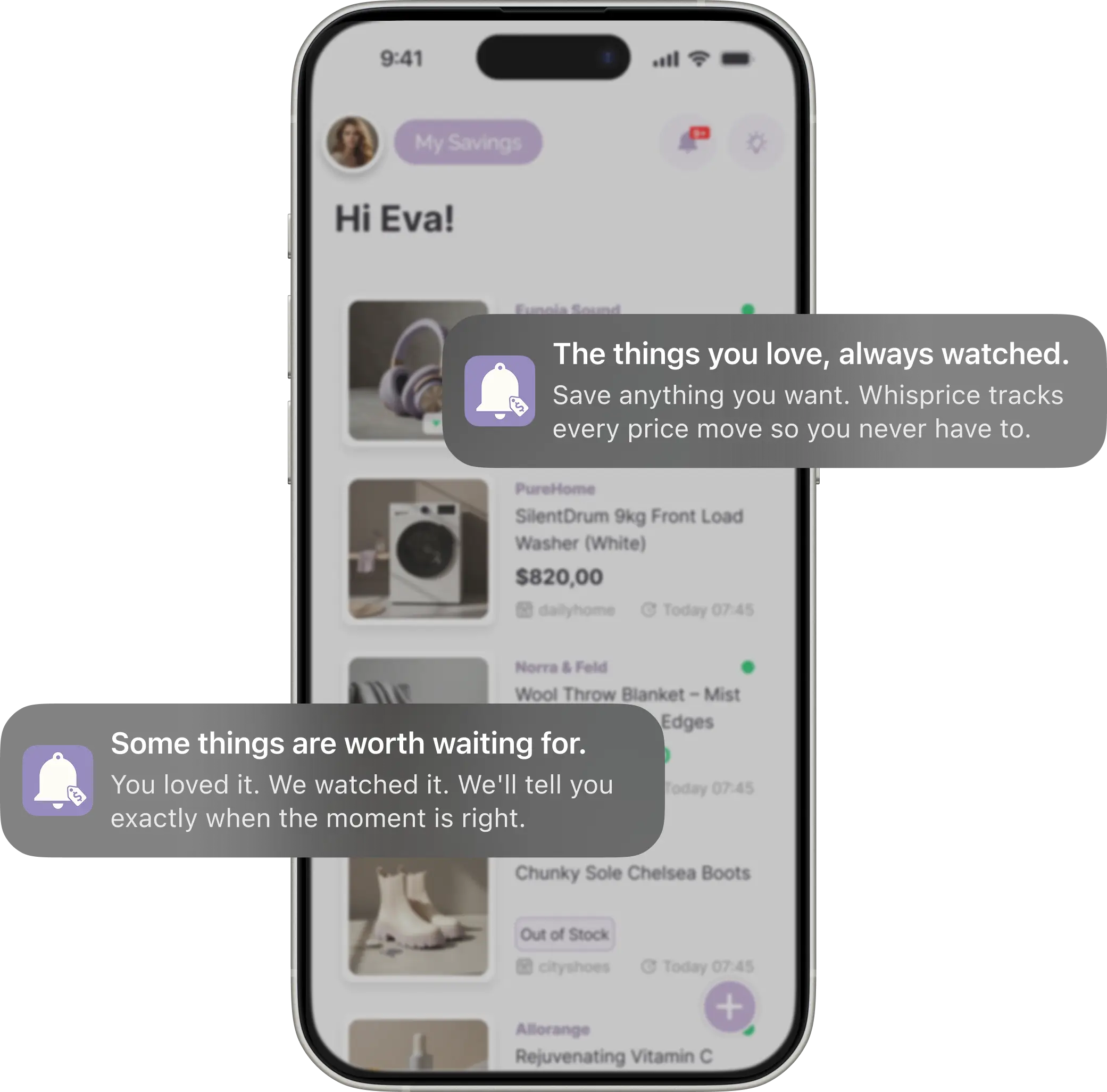
This is precisely why we built Whisprice. It’s designed to automate the most tedious parts of smart shopping so you can focus on the planning.
Here’s what a dedicated platform offers:
Universal Wishlisting: Save any item from any online store into one centralized, organized place. No more scattered links and screenshots.
Automated Price Tracking: This is the game-changer. The app monitors prices for you 24/7. You don't have to do anything after adding the item.
Instant Price Alerts: Set your desired price for an item, and the app will send you a notification the moment the price drops to your target. You buy on your terms, at your price.
Focused Organization: Consolidate all your items into one master list to see your goals at a glance. This focus is the starting point for smart prioritization, and we're always working on new features to make planning even more seamless.
With the 2025 holiday season just around the corner, now is the perfect time to get organized. A smart wishlist app ensures you’re prepared to catch the best deals during the Black Friday and Cyber Monday sales without the last-minute stress. You're not just hoping for a sale; you're ready for it.
Step 3: Prioritize and Conquer - Organizing Your Ambitions
Even with one powerful, centralized list, a smart shopper needs a strategy to maintain clarity. A long list of wants can be just as overwhelming as scattered browser tabs if you don't have a system for prioritization. This is where you move from simply collecting items to strategically organizing them based on their importance, cost, and purpose.
Think of your wishlist as your personal shopping headquarters. The key isn't to have multiple folders, but to have a clear battle plan. You can do this by mentally categorizing every item you add.
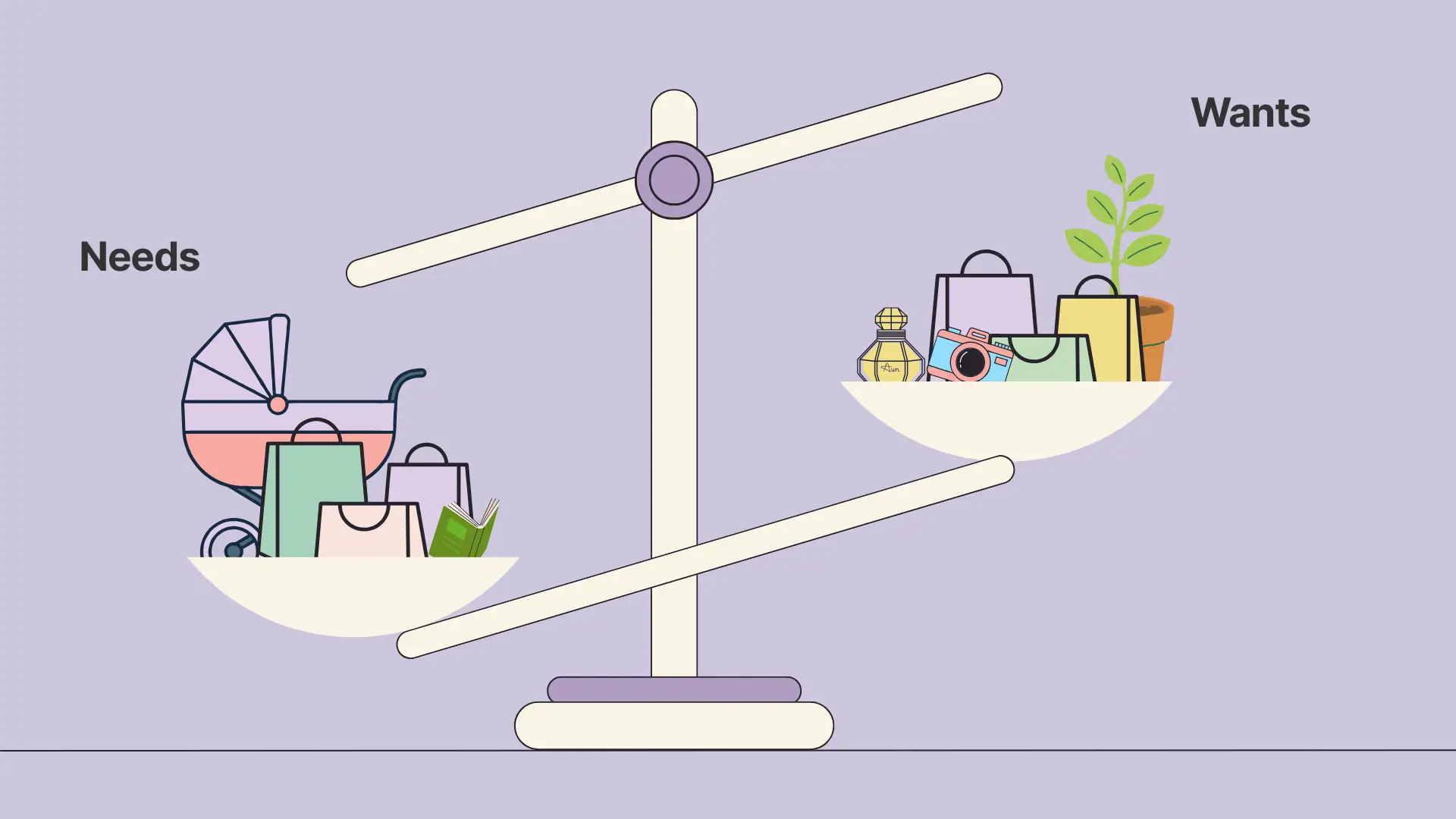
Organize by Priority: Needs vs. Wants vs. Dreams
This is the most fundamental and effective way to organize your wishlist. It immediately tells you where to focus your attention and your budget.
Needs: These are items you must purchase eventually. Think of a replacement for a broken appliance, a new winter coat for the coming season, or essential work equipment. The goal here isn't if you'll buy, but when you'll get the best price.
Wants: These are quality-of-life upgrades that aren't strictly necessary. This could be noise-canceling headphones, a better coffee machine, or new athletic gear. These items are prime candidates for patient price tracking.
Dreams: These are your big-ticket, long-term goals. A professional camera, a luxury watch, or a down payment for a new bike. These items are less about waiting for a sale and more about using your wishlist as a motivational tool for saving.
⭐ Pro Tip: Before adding a new item, ask yourself, "If this went on sale for 50% off tomorrow, would I buy it instantly?" If the answer is yes, it's a high-priority Want or a Need. If you'd still hesitate, it might be a low-priority Dream item.
Organize by Price Tier: High-Ticket vs. Low-Ticket
A simple but effective budgeting tactic is to mentally sort your items by cost. This helps you manage your cash flow and plan for larger expenses.
Low-Ticket Items (e.g., under €100): These are smaller purchases that won't break the bank. You can often buy these impulsively when you get a good price alert without much financial planning.
High-Ticket Items (e.g., over €100): These require more thought and often, a savings plan. Use your wishlist to track the price over several months. The price alert from Whisprice doesn't just signal a deal; it signals that it's time to check your savings and make a planned, confident purchase.
Organize by Life Area or Usage
Sorting items by the part of your life they belong to helps you see where your spending is focused. This gives you valuable insight into your habits and helps you create category-specific budgets.
Mentally group your items into categories like:
Kitchen & Home
Work & Productivity
School & Learning
Health & Fitness
Hobbies & Leisure
This approach helps answer important questions like, "Am I investing too much in one hobby?" or "Do I have a clear goal for my home office setup?" It provides a narrative for your spending.
⭐ Pro Tip: Use this method to create mini-budgets. If you've allocated €250 for "Health & Fitness" this quarter, mentally grouping those items on your master list will help you decide whether to spring for the new running shoes or the yoga mat when a deal appear
Organize by Timeframe: Gearing Up for Sales Season
As a smart shopper, your timing is everything. Major sales events like Black Friday, Cyber Monday, and other seasonal promotions represent the best opportunities to save. Instead of getting caught in the hype, you can plan for these moments and use them to your strategic advantage.
Go through your wishlist and mentally "tag" items that you're hoping to buy during these major sales events. This turns your list into an actionable plan for late November. When the deals start rolling in, you won't be distracted by random offers; you'll be laser-focused on the items you've already prioritized.
⭐ Pro Tip: Many retailers start their "early Black Friday" deals at the beginning of November. Start loading your must-have items into Whisprice now. This way, you'll be one of the first to know when the price drops on the things you actually want.
Step 4: Set a Realistic Budget for Your Wishlist
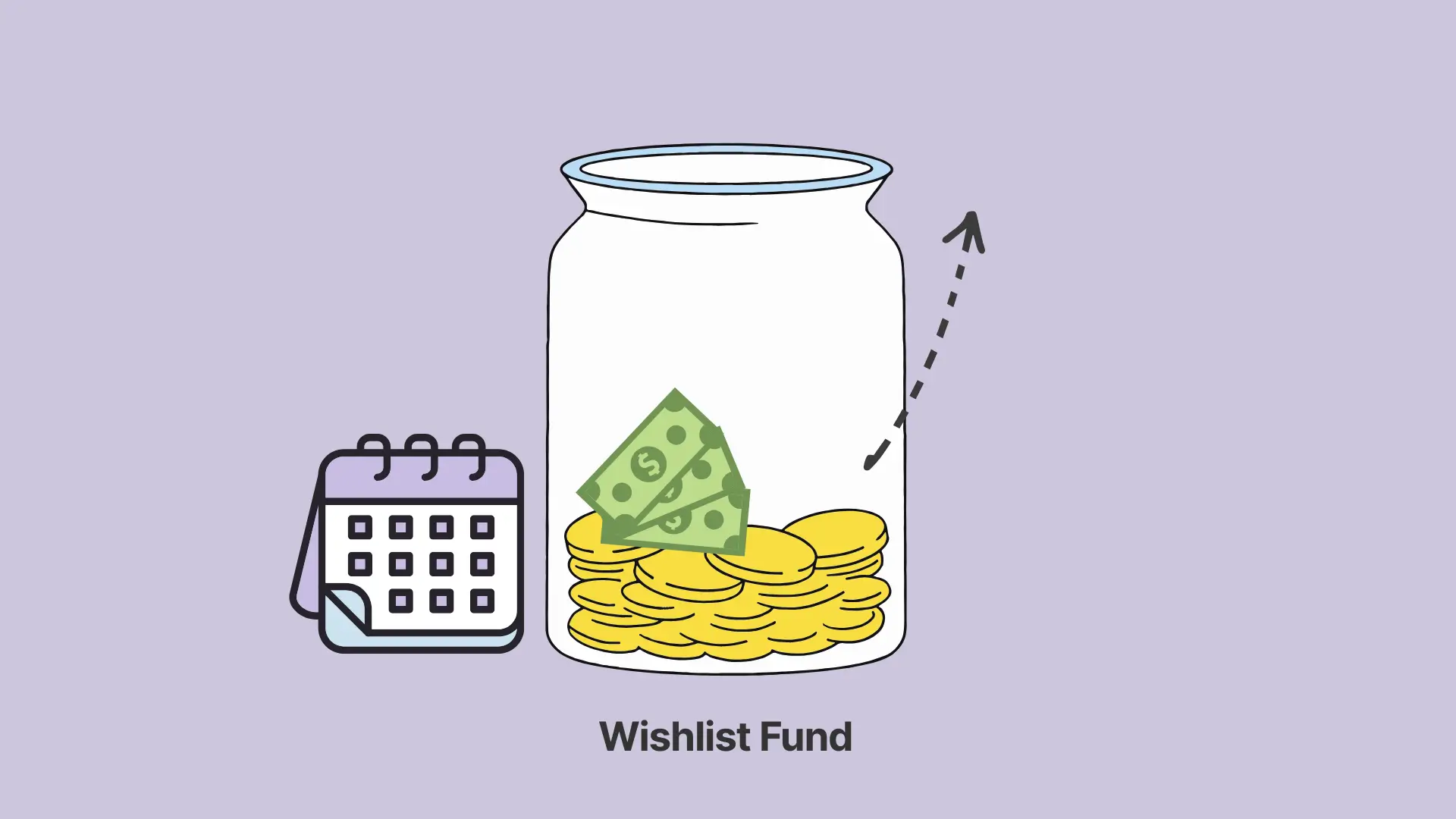
A wishlist without a budget is just a dream. A wishlist with a budget is an actionable plan. This step is where you connect your ambitions to your financial reality, transforming your list from a collection of desires into a smart, sustainable shopping strategy. It's the ultimate act of financial self-care, ensuring you can get what you want without sacrificing what you need.
Why Budgeting for a 'Wish' List is Crucial
It might seem counterintuitive to apply strict financial rules to a list of "wishes," but this is what separates savvy shoppers from impulsive buyers. A budget gives you permission to spend guilt-free. When a deal on a long-tracked item finally appears, you won't have to wonder if you can afford it—you'll already know.
This proactive approach puts you in control. You're no longer at the mercy of tempting "50% OFF!" emails. Instead, you're a strategic buyer who makes decisions based on a plan, not a panic.
How to Set Your Wishlist Budget
Creating a budget for your wishlist doesn't have to be complicated. Here’s a simple, two-step approach:
Identify Your "Wants" Fund: Many people follow the 50/30/20 rule: 50% of your income for needs (rent, groceries), 20% for savings, and 30% for wants. Your wishlist budget comes directly from this "wants" category. Decide how much of that 30% you feel comfortable dedicating to wishlist items each month—maybe it's €50, maybe it's €200.
Make it Automatic: Create a dedicated "Wishlist Fund" by setting up an automatic transfer to a separate savings account each payday. When you move the money out of your main account, you're less likely to spend it on other things. This fund is now your go-to source for guilt-free wishlist purchases.
⭐ Pro Tip: If you don't spend your entire wishlist fund one month, let it roll over. If your budget is €75/month, after three months of no purchases, you'll have €225 saved up, ready for a bigger-ticket item when the price is right.
Step 5: Gather All Your Wants in One Place
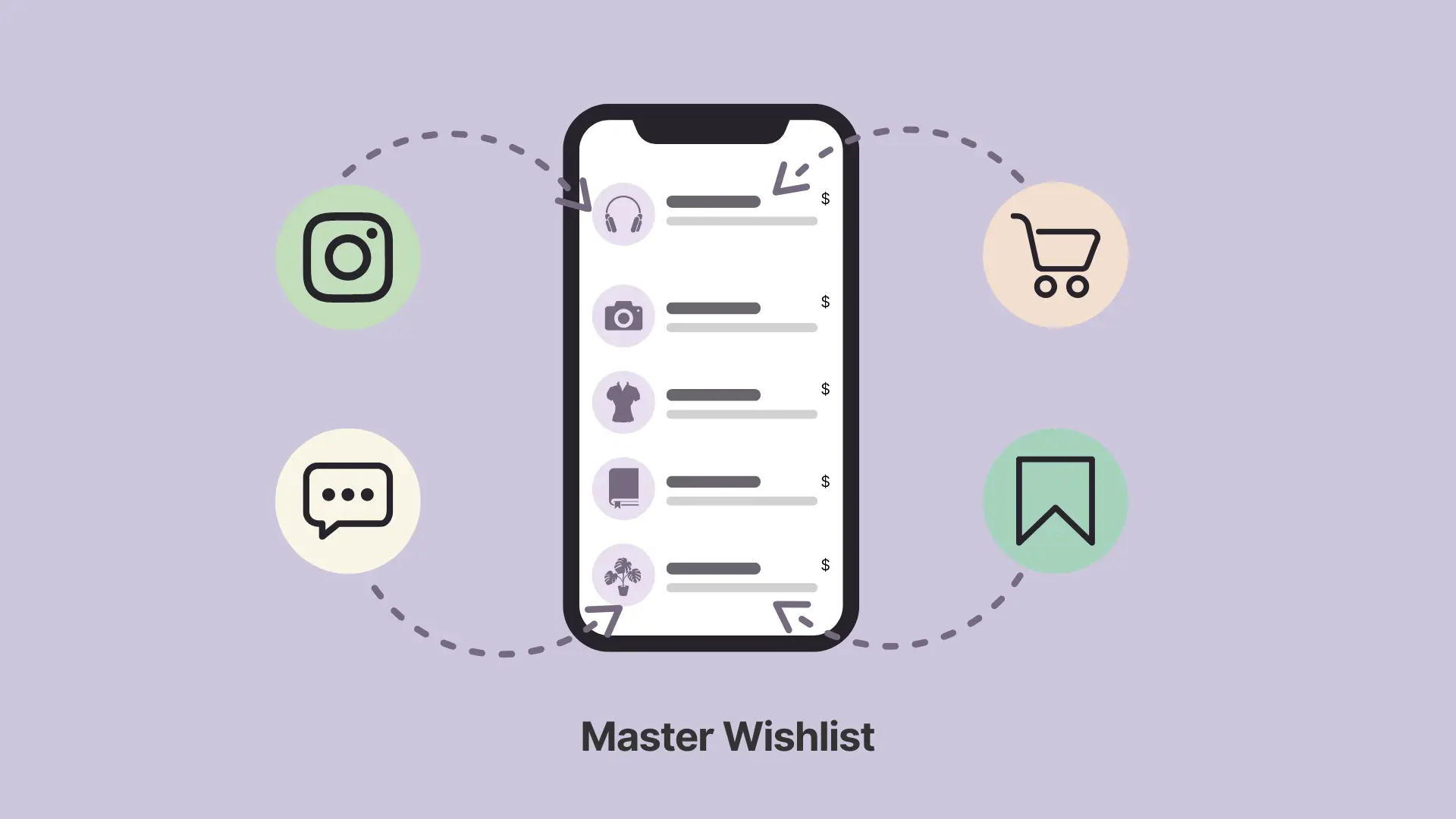
Think about all the places your "wants" currently live. There's that jacket you saved in your Instagram album, the shoes you ‘favorited’ on Zalando, the link to a coffee machine your friend sent on WhatsApp, and a dozen open tabs in your browser for "things to check later."
Your desires are scattered across the internet. This fragmentation is the enemy of smart shopping. It makes it impossible to prioritize, compare, or track prices effectively. This step is about conducting a "digital declutter"—a mission to consolidate every single item you're considering into one powerful command center.
The Hidden Costs of a Scattered Wishlist
Keeping your wants in different digital drawers has real downsides that go beyond simple messiness:
Zero Price Tracking: Your Instagram 'saved' folder can't alert you when those sneakers go on sale. A browser bookmark just sits there, silently costing you money as you miss deals.
No Clear Overview: When your items are spread out, you can't see the big picture. You can't compare the jacket from Instagram to the shoes from your favorites tab to decide which you want more.
Forgotten Opportunities: Out of sight, out of mind. Brilliant gift ideas and perfect finds get buried and forgotten in the digital noise, only to be remembered after you've already paid full price for something else.
Wasted Time & Energy: You end up wasting precious time trying to hunt down that one link you know you saved somewhere.
Your Mission: The Great Wishlist Consolidation
Set aside 30 minutes for this task. Think of it as a treasure hunt for your future self, where every item you find and centralize is a potential future saving. Your goal is to move every item into your Whisprice app.
The best part? You don't need to manually copy and paste links. Adding a product is as simple as tapping a button. On any product page from a browser or a shopping app, just use the native Share function on your phone and select the Whisprice app from the list. The item is instantly saved and tracked.
Here’s your action plan to find all your scattered wants:
Clear Your Browser Bookmarks: Go to your "Shopping" or "To Buy" folders. For each item, add it to Whisprice and then confidently delete the old bookmark.
Raid Your Shopping Site Favorites: Log into your go-to online stores (Bol.com, de Bijenkorf, Amazon, etc.). Go to your "Favorites" or "Saved Items" list and migrate everything over.
Scour Your Social Media Saves: Open your Instagram saved collections and Pinterest boards. This is often where the most impulsive 'wants' live. Find the product link for each and add it to your central list.
Search Your Messaging Apps: Do a quick search for "link" or names of stores in your WhatsApp or other messaging apps. This is a goldmine for gift ideas people have sent you.
⭐ Pro Tip: As you go through your old saves, be ruthless! If you look at an item you saved six months ago and no longer feel excited about it, don't bring it to your new, clean list. This is a perfect opportunity to declutter not just your links, but your desires.
The Payoff: The Power of a Single Source of Truth
Once you're done, the feeling of control is immediate. Every single thing you have a remote interest in buying is now in one place.
Everything is Tracked: You've gone from tracking zero prices to tracking all of them, automatically.
Prioritization is Now Possible: For the first time, you can scroll through a single list of all your wants and needs, making it easy to apply the budgeting and prioritization rules from the previous steps.
Peace of Mind: You can now browse online freely, knowing that if you see something you like, it has a proper home to go to where it won't be forgotten and will be tracked for deals. Your wishlist is now a powerful tool, not a chaotic mess.
Step 6: Do Your Homework: Research Before You Add

Your wishlist is now clean, consolidated, and powerful. You’ve transformed it from a scattered mess into a centralized command center for your shopping goals. The next step is to protect this clarity. From this point on, every new item should be carefully vetted before it's allowed on your list.
This brief research process is the firewall against impulse buys and future regret. It ensures your wishlist remains a curated collection of well-considered purchases, not a dumping ground for fleeting desires.
Check the Reviews: The Good, The Bad, and The Realistic
Marketing photos are designed to sell, but user reviews tell the real story. Before an item makes your list, spend five minutes understanding the real-world experience of people who have already bought it.
Look Beyond the Stars: Don't just look at the 5-star rating. The most honest and helpful feedback is often found in the 3- and 4-star reviews. They tend to offer balanced pros and cons.
Search for Patterns: Ignore the one-off angry review. Instead, look for recurring themes. Do multiple people mention that the sweater shrinks in the wash? That the battery life is disappointing? These patterns are red flags.
Find Independent Sources: For bigger purchases like electronics or appliances, search for reviews on YouTube or trusted tech blogs. They often provide more in-depth analysis than a simple store review.
⭐ Pro Tip: Look for reviews that include photos or videos submitted by other customers. They give you the most honest look at a product's true color, size, and quality, away from professional lighting and photo editing.
Understand the Price: What's a Real Deal?
Retailers are masters of psychological pricing. A "40% OFF!" banner can create a sense of urgency, but it doesn't always mean you're getting a good deal. The original price can sometimes be inflated to make a discount look more dramatic.
The smart approach is to understand an item's typical price range before you add it. By adding an item to Whisprice and watching it over time, you will begin to learn its price cycle. You'll quickly learn to spot a genuinely great deal versus a routine, mediocre "sale."
Compare the Alternatives: Is This Really the Best Option?
The first product you find is rarely the only option. Before committing an item to your wishlist, take a moment to see what the competition looks like. This ensures you're not just getting a good price, but you're getting the right product for your needs.
Look for Head-to-Head Comparisons: For a specific gadget, a quick search like "Brand X vs. Brand Y headphones 2025" can reveal better alternatives you hadn't considered.
Consider Your Actual Needs: Do you really need the "Pro" model with ten features you'll never use, or would the standard version be perfect and save you €200?
Check Different Retailers: Especially here in the Netherlands, the same item can be available from Bol.com, Coolblue, or Amazon. A quick search might reveal a better base price on another site before you even start tracking.
⭐ Pro Tip: When comparing alternatives, create a quick mental checklist of your top three "must-have" features. This helps you stay focused on what's important to you and avoid being swayed by flashy extras you don't actually need.
Step 7: Keep It Fresh: Review and Prune Your Wishlist Regularly

Your wishlist is now a highly-tuned engine for smart shopping. But like any engine, it requires a little maintenance to keep it running smoothly. A wishlist is a living document, not a stone tablet. Your priorities, tastes, and needs will change, and your list should evolve with you.
A regular review prevents your curated list from slowly turning back into a "digital junk drawer." It's the final habit that locks in your new status as a strategic, intentional shopper.
The 'Monthly Review': Your 15-Minute Financial Check-up
Set a recurring reminder on your phone or calendar for the first Sunday of every month. This 15-minute check-in is all it takes to keep your wishlist sharp, relevant, and aligned with your goals.
During your review, go through your list item by item and ask these questions:
The "Still Want It?" Test: Be honest. Does this item still solve a problem or bring you joy? That gadget that seemed essential last month might feel less important today. Tastes change, and that's okay.
Has My Priority Changed? Has a "want" now become a "need" because your old one finally broke? Has a "dream" item become less important because your goals have shifted?
Is This Item Outdated? For tech items, check if a newer model has been released that might be a better value. For fashion, check if it's still in stock.
Did I Already Buy This? Sometimes you buy an item and forget to remove it. Clearing it off your list provides a satisfying sense of accomplishment.
The Power of Pruning: Why Deleting is a Good Thing
The most important part of the review is "pruning"—actively deleting items you no longer want. This might feel counterintuitive, but it's psychologically powerful.
It Reduces 'Desire Fatigue': A long, cluttered list of wants can be mentally exhausting and create a feeling of scarcity. A clean, focused list of your top priorities is motivating and empowering.
It Reinforces Intentionality: The physical act of deleting an item you've decided against is a powerful exercise in mindful consumption. You are actively choosing what you don't want, which strengthens your ability to focus on what you do want.
Step 8: Master Patience with the 30-Day Rule
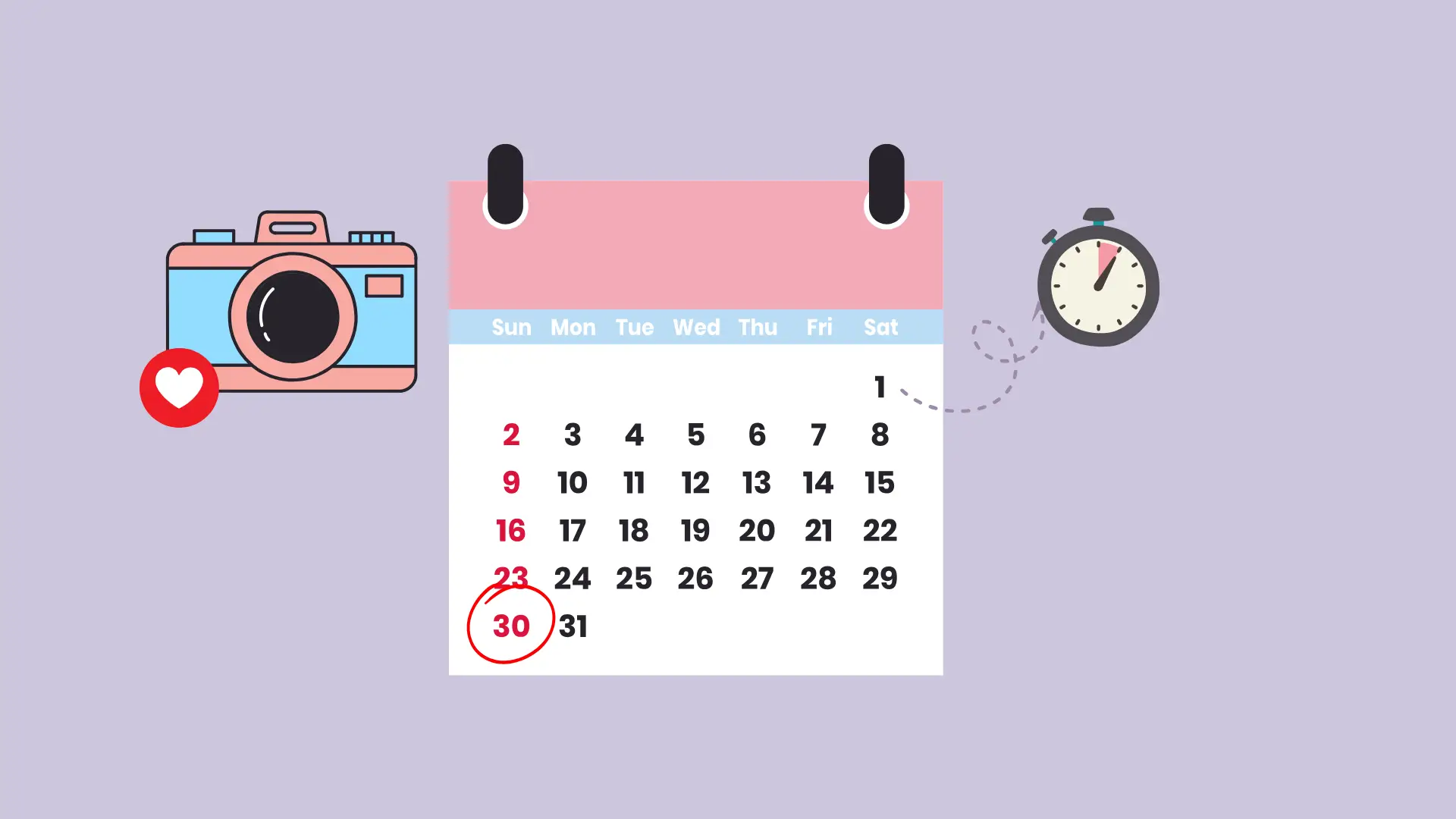
You’ve built a smart, organized, and well-researched wishlist. You have a budget and a maintenance plan. Now, it's time to master the final skill of the savvy shopper: patience. Your greatest enemy isn't a high price tag; it's the impulse to buy something right now.
The most effective weapon against this impulse is the 30-Day Rule. It’s a simple mental trick that creates a crucial "cooling-off period," separating the emotional rush of a new desire from the rational act of purchasing.
What is the 30-Day Rule?
The rule is simple. When you feel a strong, sudden urge to buy a non-essential item, you don't tell yourself "no." You just say, "not yet."
Here’s how it works:
Acknowledge the Impulse: You see a great pair of sneakers or a new kitchen gadget. Your first instinct is to buy it.
Add it to Your Wishlist: Instead of adding it to your shopping cart, your new reflex is to add it to your Whisprice wishlist using the Share button.
Wait for 30 Days: Commit to not buying the item for a full 30 days. No exceptions.
Re-evaluate: At the end of the 30 days, look at the item on your list and ask yourself honestly, "Do I still want this as much as I did a month ago?"
Why This Simple Rule is a Game-Changer
This deliberate pause is incredibly powerful for several reasons:
It Filters Out Fleeting Wants: The initial excitement from clever marketing or social media hype fades quickly. After 30 days, you can see clearly whether you wanted the item itself or were just caught up in the moment. A fleeting want will have vanished.
It Gives Your Tracker Time to Work: This is the key. The 30-day waiting period is prime time for Whisprice to do its job. While your emotions are cooling off, the app is actively searching for a deal. You are rewarding your patience with potential savings.
It Prevents Buyer's Remorse: By ensuring you only buy things you genuinely desire after a period of reflection, you dramatically reduce the chances of regretting a purchase later.
It Reinforces Mindful Consumption: This habit trains your brain to pause before purchasing, leading to less clutter, less waste, and more money in your bank account for the things that truly matter.
⭐ Pro Tip: When you add an item to your list for the 30-Day Rule, immediately set your target price in Whisprice. This combines two powerful strategies: you're waiting for your impulse to cool and for the price to hit a number that fits your budget.
⭐ Pro Tip: If at the end of 30 days you're still on the fence, consider it a "no." A strong, genuine desire will feel clear and confident after a month of waiting. If it doesn't, you can prune it from your list guilt-free.
Step 9: The Payoff: Track, Pounce, and Save
You've done the hard work. Your wishlist is a masterpiece of intention. You’ve budgeted, researched, and practiced patience. Now comes the easy part—and the most rewarding. It’s time to move from passive planning to decisive action.
This is where you let technology do the heavy lifting. You’ve created the perfect plan; now, your secret weapon, Whisprice, will execute it for you, ensuring you never miss the perfect moment to buy.
Let Technology Do the Work: Automated 24/7 Price Tracking
Who has time to visit a dozen different websites every day, manually checking for a price drop? The reality of modern shopping is that prices change constantly. A product can be full price at 9:00 AM and 20% off by the afternoon.
Once an item is on your Whisprice list, you can relax. Our system works for you around the clock, automatically monitoring the price of your chosen products. Think of it as your personal shopping assistant, relentlessly searching for the deal you're waiting for, even while you’re busy with work, enjoying the autumn evening in Vondelpark, or sleeping.
The Art of the 'Pounce': Acting on Your Price Alert
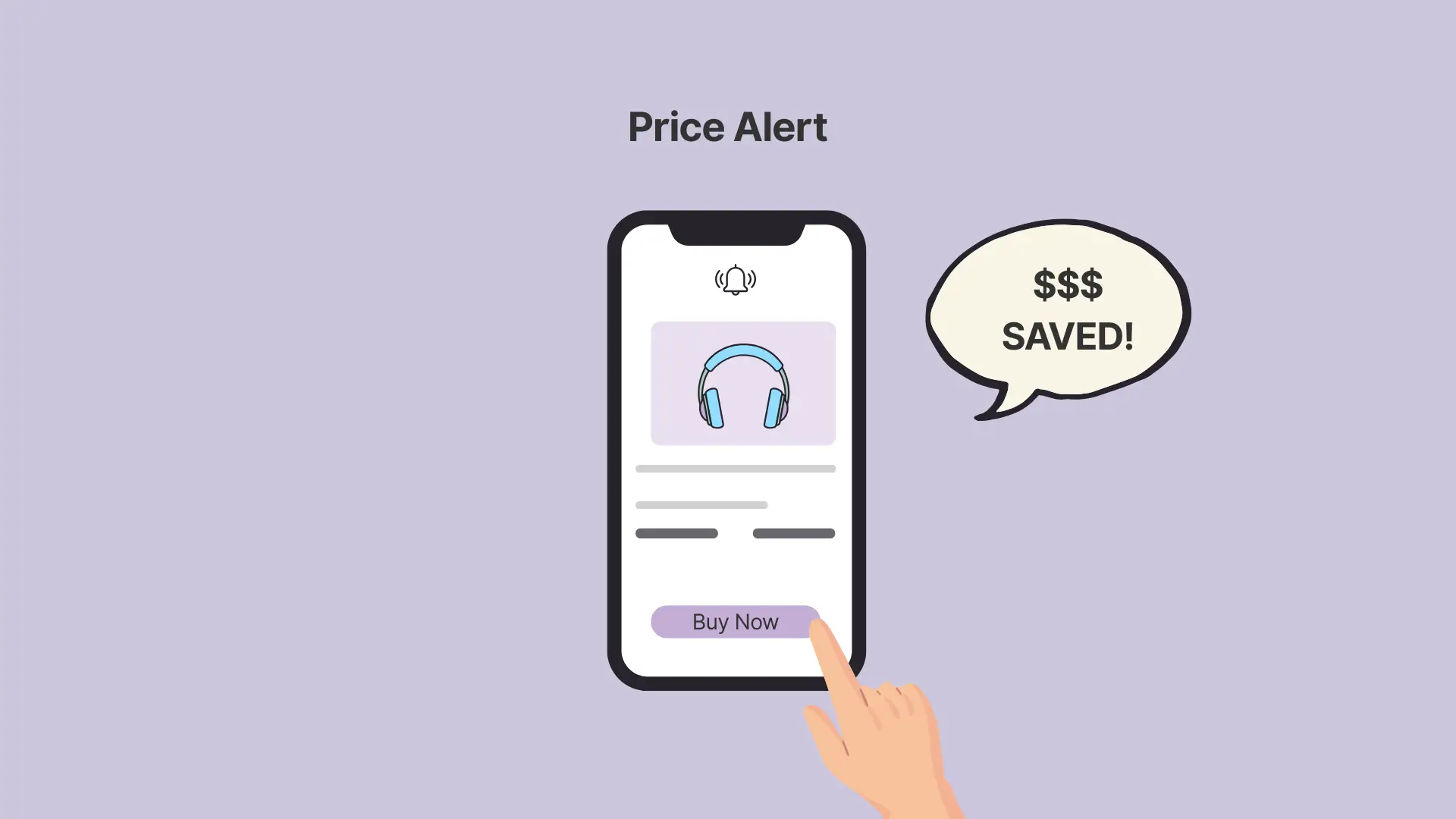
This is the moment of truth. You receive a notification from Whisprice. It’s not another generic sales email; it’s a personalized, actionable alert. An item you want is now available at a price you set.
Here’s how to handle the pounce:
Receive the Alert: See the notification and feel that spark of excitement.
Do a Final Gut Check: Open the app. Take one last look at the item. Because you've already researched it, budgeted for it, and confirmed your desire for it (thanks to the 30-Day Rule), this check takes seconds. The answer is almost always a confident "yes!"
Make a Guilt-Free Purchase: Click the link and buy the item. This isn't a stressful, impulsive act. It’s the satisfying execution of a well-laid plan. It's the ultimate smart shopping win.
Maximizing Your Tracking Strategy for the Holiday Season
As a savvy shopper, you can take your tracking to the next level, especially with the holiday season fast approaching.
Track a Product Across Multiple Stores: Is the same pair of headphones sold on Bol.com, Coolblue, andAmazon? Add the item from all three retailers to your Whisprice list. Let them compete for your business. The app will notify you which one drops their price first.
Dominate the Holiday Sales: With Sinterklaas, Black Friday, and Christmas just a couple of months away, now is the time to finalize your gift list. Add every single planned gift to Whisprice. You’ll navigate the chaotic sales season with a calm, clear plan, avoiding the last-minute panic and only buying when the price is truly right.
⭐ Pro Tip: When you get a price alert for a popular item, especially around a major sale event, act decisively. The best deals don't always last long. All your research is already done, so you can—and should—pounce with confidence.
⭐ Pro Tip: After a successful purchase, take a moment to enjoy the win! Then, during your next monthly review, remove the item from your list. This keeps your wishlist clean and focused on your next smart shopping goal.
The Big Picture: Benefits Beyond the Bargain
Mastering your wishlist is about more than just saving a few euros on a new pair of headphones. It's a fundamental shift in your relationship with shopping, money, and consumption. By following these steps, you're not just buying smarter; you're building a more intentional life. The true rewards go far beyond the initial discount.
Towards Financial Freedom
Every euro you save on a planned purchase is a euro you can redirect toward your biggest life goals. This isn't just about small wins; it's about accumulating those wins to pay off debt faster, build an investment portfolio, save for a down payment on a home, or fund that dream trip you've always wanted to take. Your wishlist becomes a tool that serves your future self.
A More Intentional Home, A Lighter Footprint
Intentional buying means your home slowly fills with fewer, better things that you truly use and love. This process naturally reduces clutter and waste. You'll move away from the cycle of buying cheap, disposable items and towards investing in quality products that last, which is better for both your wallet and the environment.
Goodbye, Shopping Anxiety
Imagine the holiday season without the usual stress. Imagine seeing a flash sale and feeling calm instead of anxious. This strategy eliminates the anxiety of impulse spending and the sinking guilt of buyer's remorse. You are no longer reacting to marketing; you are in complete control of your decisions, which brings a profound sense of peace.
The Unbeatable Thrill of a Smart Deal
There is a genuine, lasting satisfaction that comes from getting something you've patiently waited for at a fantastic price. It’s not the fleeting rush of an impulse buy; it's the powerful feeling of accomplishment that comes from executing a well-laid plan. It’s the thrill of outsmarting the system and making your money work for you.
Conclusion: Your Wishlist is Your Financial Plan
You began this journey with a scattered collection of wants—browser tabs, screenshots, and mental notes. Now, you have a complete, step-by-step strategy to transform that chaos into a powerful financial tool.
From defining your 'why' and setting a budget to patiently tracking prices and pouncing at the perfect moment, you are no longer just a consumer. You are a strategic planner. You're equipped with the knowledge to shop smarter, not just want more. An effective wishlist is one of the simplest yet most profound steps you can take toward mastering your personal finances, especially with the busy holiday shopping season right around the corner.
Ready to transform your shopping habits? Stop chasing sales and let the deals come to you.
Download Whisprice for free on the [App Store] and [Google Play] and create your first smart wishlist today. Happy saving!







" width="19.943999999999996px"><path d="M 0 6.667 L 0 0 L 19.944 0 L 19.944 6.667 Z" fill="transparent" height="6.666666666666666px" id="Vr_pHkcKW" width="19.943999999999996px"/><path d="M 18.356 0 L 1.589 0 C 1.528 0 1.468 0 1.407 0 C 1.356 0.001 1.305 0.002 1.253 0.002 C 1.142 0.004 1.03 0.014 0.92 0.032 C 0.809 0.051 0.702 0.086 0.603 0.136 C 0.503 0.187 0.412 0.254 0.333 0.333 C 0.253 0.412 0.187 0.503 0.137 0.603 C 0.086 0.703 0.051 0.81 0.032 0.92 C 0.014 1.031 0.004 1.142 0.003 1.254 C 0.001 1.305 0.001 1.356 0 1.407 L 0 5.26 C 0.001 5.312 0.001 5.362 0.003 5.413 C 0.004 5.525 0.014 5.637 0.032 5.747 C 0.051 5.858 0.086 5.965 0.137 6.064 C 0.187 6.164 0.253 6.255 0.333 6.333 C 0.412 6.413 0.503 6.479 0.603 6.53 C 0.702 6.581 0.809 6.616 0.92 6.635 C 1.03 6.653 1.142 6.663 1.253 6.665 C 1.305 6.666 1.356 6.666 1.407 6.666 C 1.468 6.667 1.528 6.667 1.589 6.667 L 18.356 6.667 C 18.416 6.667 18.476 6.667 18.537 6.666 C 18.587 6.666 18.639 6.666 18.69 6.665 C 18.802 6.663 18.913 6.653 19.024 6.635 C 19.134 6.616 19.241 6.581 19.341 6.53 C 19.441 6.479 19.532 6.413 19.611 6.333 C 19.69 6.255 19.757 6.164 19.808 6.064 C 19.858 5.965 19.893 5.857 19.911 5.747 C 19.93 5.637 19.94 5.525 19.942 5.413 C 19.943 5.362 19.943 5.312 19.943 5.26 C 19.944 5.199 19.944 5.139 19.944 5.077 L 19.944 1.589 C 19.944 1.528 19.944 1.468 19.943 1.407 C 19.943 1.356 19.943 1.305 19.942 1.254 C 19.94 1.142 19.93 1.031 19.911 0.92 C 19.893 0.81 19.858 0.703 19.808 0.603 C 19.705 0.403 19.542 0.239 19.341 0.136 C 19.241 0.086 19.134 0.051 19.024 0.032 C 18.913 0.014 18.802 0.004 18.69 0.002 C 18.639 0.002 18.587 0.001 18.537 0 C 18.476 0 18.416 0 18.356 0 Z" fill="rgb(0, 0, 0)" height="6.666661953428878px" id="jVDFtMc8A" transform="translate(0 0)" width="19.943999999999996px"/><path d="M 1.262 6.375 C 1.211 6.375 1.162 6.374 1.111 6.373 C 1.007 6.372 0.903 6.363 0.8 6.346 C 0.704 6.329 0.611 6.299 0.524 6.255 C 0.437 6.211 0.359 6.154 0.291 6.085 C 0.222 6.017 0.164 5.939 0.121 5.853 C 0.077 5.766 0.046 5.672 0.03 5.576 C 0.013 5.473 0.004 5.369 0.002 5.264 C 0.001 5.229 0 5.112 0 5.112 L 0 1.262 C 0 1.262 0.001 1.146 0.002 1.112 C 0.004 1.008 0.013 0.904 0.03 0.8 C 0.046 0.704 0.076 0.611 0.121 0.523 C 0.164 0.437 0.221 0.358 0.29 0.29 C 0.358 0.222 0.437 0.164 0.524 0.12 C 0.61 0.076 0.703 0.046 0.799 0.029 C 0.902 0.012 1.007 0.003 1.112 0.002 L 1.262 0 L 18.39 0 L 18.542 0.002 C 18.646 0.003 18.75 0.012 18.852 0.029 C 18.949 0.046 19.043 0.076 19.13 0.121 C 19.303 0.21 19.444 0.351 19.533 0.524 C 19.576 0.61 19.606 0.703 19.622 0.799 C 19.639 0.903 19.649 1.008 19.651 1.113 C 19.652 1.16 19.652 1.211 19.652 1.262 C 19.653 1.324 19.653 1.384 19.653 1.444 L 19.653 4.932 C 19.653 4.992 19.653 5.051 19.652 5.111 C 19.652 5.165 19.652 5.215 19.651 5.266 C 19.649 5.369 19.639 5.473 19.622 5.575 C 19.607 5.672 19.577 5.765 19.532 5.853 C 19.489 5.938 19.431 6.016 19.363 6.084 C 19.295 6.153 19.216 6.21 19.13 6.254 C 19.042 6.299 18.949 6.33 18.852 6.346 C 18.749 6.363 18.645 6.372 18.54 6.373 C 18.492 6.374 18.441 6.375 18.391 6.375 L 18.21 6.375 Z" fill="rgb(255, 255, 255)" height="6.375333333333334px" id="raPIrzbHs" transform="translate(0.146 0.146)" width="19.65299816666667px"/><path d="M 2.565 1.097 C 2.566 0.952 2.605 0.81 2.676 0.684 C 2.748 0.559 2.85 0.453 2.973 0.377 C 2.895 0.265 2.791 0.173 2.671 0.108 C 2.551 0.043 2.418 0.007 2.281 0.003 C 1.99 -0.027 1.708 0.177 1.56 0.177 C 1.409 0.177 1.18 0.006 0.934 0.011 C 0.775 0.016 0.62 0.063 0.484 0.145 C 0.349 0.228 0.237 0.345 0.159 0.484 C -0.176 1.064 0.074 1.917 0.395 2.386 C 0.556 2.616 0.743 2.873 0.989 2.864 C 1.23 2.854 1.319 2.71 1.61 2.71 C 1.897 2.71 1.981 2.864 2.232 2.858 C 2.49 2.854 2.652 2.627 2.807 2.395 C 2.923 2.231 3.012 2.051 3.071 1.859 C 2.921 1.796 2.793 1.69 2.703 1.554 C 2.613 1.418 2.565 1.259 2.565 1.097 Z" fill="rgb(0, 0, 0)" height="2.863743676275586px" id="zsHNGXWXf" transform="translate(1.602 2.218)" width="3.0705542691610637px"/><path d="M 0.563 0.605 C 0.703 0.436 0.773 0.219 0.756 0 C 0.541 0.023 0.342 0.125 0.2 0.288 C 0.13 0.367 0.077 0.459 0.043 0.559 C 0.009 0.659 -0.005 0.765 0.002 0.87 C 0.109 0.871 0.216 0.848 0.313 0.802 C 0.41 0.756 0.495 0.689 0.563 0.605 Z" fill="rgb(0, 0, 0)" height="1px" id="af3KtEvsw" transform="translate(3.13 1.308)" width="1px"/><path d="M 1.312 1.51 L 0.524 1.51 L 0.334 2.07 L 0 2.07 L 0.747 0 L 1.094 0 L 1.842 2.07 L 1.502 2.07 Z M 0.605 1.252 L 1.231 1.252 L 0.922 0.344 L 0.914 0.344 Z" fill="rgb(0, 0, 0)" height="2.0696666666666665px" id="i1sKabyMk" transform="translate(5.738 3.013)" width="1.8416333333333128px"/><path d="M 1.421 0.771 C 1.421 1.24 1.17 1.541 0.792 1.541 C 0.696 1.546 0.6 1.524 0.516 1.477 C 0.432 1.43 0.363 1.361 0.317 1.277 L 0.31 1.277 L 0.31 2.024 L 0 2.024 L 0 0.016 L 0.3 0.016 L 0.3 0.267 L 0.305 0.267 C 0.354 0.183 0.424 0.114 0.509 0.067 C 0.593 0.02 0.689 -0.003 0.786 0 C 1.169 0 1.421 0.303 1.421 0.771 Z M 1.103 0.771 C 1.103 0.465 0.945 0.264 0.704 0.264 C 0.468 0.264 0.308 0.469 0.308 0.771 C 0.308 1.075 0.468 1.278 0.704 1.278 C 0.945 1.278 1.103 1.079 1.103 0.771 Z" fill="rgb(0, 0, 0)" height="2.024197172023536px" id="A5hBbEUZD" transform="translate(7.772 3.558)" width="1.4213833333332815px"/><path d="M 1.421 0.771 C 1.421 1.24 1.17 1.541 0.792 1.541 C 0.696 1.546 0.6 1.524 0.516 1.477 C 0.432 1.43 0.363 1.361 0.317 1.277 L 0.31 1.277 L 0.31 2.024 L 0 2.024 L 0 0.016 L 0.3 0.016 L 0.3 0.267 L 0.306 0.267 C 0.354 0.183 0.424 0.114 0.509 0.067 C 0.593 0.02 0.689 -0.003 0.786 0 C 1.169 0 1.421 0.303 1.421 0.771 Z M 1.103 0.771 C 1.103 0.465 0.945 0.264 0.704 0.264 C 0.468 0.264 0.308 0.469 0.308 0.771 C 0.308 1.075 0.468 1.278 0.704 1.278 C 0.945 1.278 1.103 1.079 1.103 0.771 Z" fill="rgb(0, 0, 0)" height="2.024197172023536px" id="Ir1Gx0VqV" transform="translate(9.433 3.558)" width="1.4214666666667028px"/><path d="M 0.317 1.528 C 0.34 1.733 0.539 1.868 0.812 1.868 C 1.073 1.868 1.261 1.733 1.261 1.548 C 1.261 1.387 1.147 1.291 0.879 1.225 L 0.611 1.16 C 0.231 1.069 0.055 0.891 0.055 0.602 C 0.055 0.245 0.366 0 0.807 0 C 1.245 0 1.545 0.245 1.555 0.602 L 1.242 0.602 C 1.223 0.396 1.053 0.271 0.803 0.271 C 0.554 0.271 0.383 0.397 0.383 0.581 C 0.383 0.727 0.492 0.813 0.759 0.879 L 0.987 0.935 C 1.411 1.036 1.588 1.206 1.588 1.509 C 1.588 1.896 1.279 2.139 0.789 2.139 C 0.33 2.139 0.02 1.902 0 1.528 Z" fill="rgb(0, 0, 0)" height="2.1386666666666674px" id="IFOO9lp_b" transform="translate(11.635 2.979)" width="1.5877333333333254px"/><path d="M 0.531 0 L 0.531 0.357 L 0.818 0.357 L 0.818 0.602 L 0.531 0.602 L 0.531 1.434 C 0.531 1.563 0.588 1.624 0.714 1.624 C 0.748 1.623 0.782 1.621 0.816 1.617 L 0.816 1.86 C 0.759 1.871 0.702 1.876 0.644 1.875 C 0.339 1.875 0.219 1.76 0.219 1.467 L 0.219 0.602 L 0 0.602 L 0 0.357 L 0.219 0.357 L 0.219 0 Z" fill="rgb(0, 0, 0)" height="1.8748163422465787px" id="RiC9KgF_C" transform="translate(13.36 3.217)" width="1px"/><path d="M 0 0.773 C 0 0.298 0.28 0 0.716 0 C 1.153 0 1.431 0.298 1.431 0.773 C 1.431 1.249 1.155 1.546 0.716 1.546 C 0.277 1.546 0 1.249 0 0.773 Z M 1.116 0.773 C 1.116 0.447 0.967 0.255 0.716 0.255 C 0.465 0.255 0.315 0.449 0.315 0.773 C 0.315 1.1 0.465 1.291 0.716 1.291 C 0.967 1.291 1.116 1.1 1.116 0.773 Z" fill="rgb(0, 0, 0)" height="1.5462166666666661px" id="wuG8FRhYA" transform="translate(14.344 3.555)" width="1.4314833333334036px"/><path d="M 0 0.016 L 0.295 0.016 L 0.295 0.273 L 0.303 0.273 C 0.323 0.193 0.37 0.122 0.436 0.072 C 0.502 0.022 0.583 -0.003 0.665 0 C 0.701 0 0.737 0.004 0.772 0.012 L 0.772 0.302 C 0.727 0.288 0.68 0.281 0.632 0.283 C 0.587 0.281 0.543 0.289 0.501 0.306 C 0.459 0.323 0.422 0.349 0.391 0.382 C 0.361 0.415 0.337 0.454 0.323 0.497 C 0.309 0.54 0.305 0.585 0.31 0.63 L 0.31 1.525 L 0 1.525 Z" fill="rgb(0, 0, 0)" height="1.5250115354395817px" id="Z52pAeRDB" transform="translate(16.031 3.558)" width="1px"/><path d="M 1.361 1.084 C 1.32 1.358 1.053 1.546 0.712 1.546 C 0.273 1.546 0 1.252 0 0.78 C 0 0.307 0.274 0 0.699 0 C 1.116 0 1.379 0.287 1.379 0.744 L 1.379 0.85 L 0.313 0.85 L 0.313 0.869 C 0.308 0.925 0.315 0.981 0.333 1.033 C 0.352 1.086 0.381 1.134 0.419 1.174 C 0.458 1.215 0.504 1.247 0.556 1.268 C 0.608 1.289 0.663 1.299 0.719 1.297 C 0.792 1.303 0.865 1.286 0.928 1.248 C 0.991 1.21 1.04 1.152 1.067 1.084 Z M 0.314 0.634 L 1.068 0.634 C 1.071 0.584 1.064 0.534 1.046 0.487 C 1.029 0.44 1.002 0.398 0.967 0.362 C 0.932 0.326 0.891 0.297 0.844 0.278 C 0.798 0.259 0.748 0.25 0.698 0.251 C 0.648 0.251 0.598 0.26 0.551 0.279 C 0.505 0.299 0.462 0.327 0.426 0.362 C 0.391 0.398 0.362 0.44 0.343 0.487 C 0.324 0.534 0.314 0.584 0.314 0.634 Z" fill="rgb(0, 0, 0)" height="1.5462166666666661px" id="Ktmpofafz" transform="translate(16.869 3.555)" width="1.3785000000000593px"/><path d="M 0.359 0.001 C 0.424 -0.004 0.489 0.006 0.55 0.03 C 0.611 0.053 0.665 0.09 0.71 0.137 C 0.755 0.185 0.789 0.241 0.809 0.303 C 0.829 0.365 0.835 0.431 0.827 0.495 C 0.827 0.813 0.655 0.996 0.359 0.996 L 0 0.996 L 0 0.001 Z M 0.154 0.855 L 0.342 0.855 C 0.388 0.858 0.435 0.85 0.478 0.833 C 0.521 0.815 0.56 0.788 0.591 0.754 C 0.622 0.72 0.646 0.679 0.66 0.635 C 0.673 0.59 0.677 0.543 0.67 0.497 C 0.676 0.451 0.672 0.405 0.658 0.361 C 0.645 0.317 0.621 0.276 0.59 0.242 C 0.558 0.208 0.52 0.182 0.477 0.164 C 0.434 0.147 0.388 0.139 0.342 0.142 L 0.154 0.142 Z" fill="rgb(0, 0, 0)" height="1px" id="L_uS2BkV1" transform="translate(5.945 1.454)" width="1px"/><path d="M 0.002 0.389 C -0.003 0.34 0.003 0.29 0.018 0.243 C 0.034 0.196 0.059 0.153 0.092 0.116 C 0.126 0.08 0.166 0.05 0.212 0.03 C 0.257 0.01 0.306 0 0.356 0 C 0.405 0 0.454 0.01 0.499 0.03 C 0.545 0.05 0.585 0.08 0.619 0.116 C 0.652 0.153 0.677 0.196 0.693 0.243 C 0.709 0.29 0.714 0.34 0.71 0.389 C 0.714 0.439 0.709 0.489 0.693 0.536 C 0.678 0.583 0.652 0.626 0.619 0.663 C 0.586 0.7 0.545 0.729 0.5 0.749 C 0.454 0.769 0.405 0.779 0.356 0.779 C 0.306 0.779 0.257 0.769 0.212 0.749 C 0.166 0.729 0.126 0.7 0.092 0.663 C 0.059 0.626 0.034 0.583 0.018 0.536 C 0.002 0.489 -0.003 0.439 0.002 0.389 Z M 0.557 0.389 C 0.557 0.227 0.484 0.132 0.356 0.132 C 0.227 0.132 0.155 0.227 0.155 0.389 C 0.155 0.553 0.227 0.648 0.356 0.648 C 0.484 0.648 0.557 0.553 0.557 0.389 Z" fill="rgb(0, 0, 0)" height="1px" id="BxZCDoJSJ" transform="translate(6.945 1.685)" width="1px"/><path d="M 0.834 0.75 L 0.68 0.75 L 0.525 0.198 L 0.513 0.198 L 0.359 0.75 L 0.207 0.75 L 0 0 L 0.15 0 L 0.285 0.573 L 0.296 0.573 L 0.45 0 L 0.592 0 L 0.746 0.573 L 0.758 0.573 L 0.892 0 L 1.04 0 Z" fill="rgb(0, 0, 0)" height="1px" id="M6nAlAmmD" transform="translate(7.762 1.699)" width="1.0400333333333265px"/><path d="M 0 0.015 L 0.143 0.015 L 0.143 0.134 L 0.154 0.134 C 0.172 0.092 0.204 0.056 0.244 0.032 C 0.284 0.008 0.331 -0.003 0.378 0.001 C 0.414 -0.002 0.451 0.004 0.485 0.017 C 0.519 0.03 0.55 0.051 0.575 0.078 C 0.6 0.105 0.618 0.137 0.629 0.172 C 0.64 0.207 0.643 0.244 0.637 0.28 L 0.637 0.766 L 0.489 0.766 L 0.489 0.317 C 0.489 0.196 0.437 0.136 0.327 0.136 C 0.303 0.135 0.278 0.14 0.255 0.149 C 0.232 0.158 0.211 0.172 0.194 0.19 C 0.177 0.208 0.164 0.23 0.156 0.254 C 0.148 0.277 0.145 0.302 0.148 0.327 L 0.148 0.766 L 0 0.766 Z" fill="rgb(0, 0, 0)" height="1px" id="wAMPQDyQW" transform="translate(8.976 1.684)" width="1px"/><path d="M 0 0 L 0.148 0 L 0.148 1.043 L 0 1.043 Z" fill="rgb(0, 0, 0)" height="1.04345px" id="lp3SFbZTE" transform="translate(9.849 1.406)" width="1px"/><path d="M 0.002 0.389 C -0.003 0.34 0.003 0.29 0.018 0.243 C 0.034 0.196 0.059 0.153 0.093 0.116 C 0.126 0.08 0.166 0.05 0.212 0.03 C 0.257 0.01 0.306 0 0.356 0 C 0.405 0 0.454 0.01 0.499 0.03 C 0.545 0.05 0.585 0.08 0.619 0.116 C 0.652 0.153 0.677 0.196 0.693 0.243 C 0.709 0.29 0.714 0.34 0.71 0.389 C 0.714 0.439 0.709 0.489 0.693 0.536 C 0.678 0.583 0.652 0.626 0.619 0.663 C 0.586 0.7 0.545 0.729 0.5 0.749 C 0.454 0.769 0.405 0.779 0.356 0.779 C 0.306 0.779 0.257 0.769 0.212 0.749 C 0.166 0.729 0.126 0.7 0.092 0.663 C 0.059 0.626 0.034 0.583 0.018 0.536 C 0.002 0.489 -0.003 0.439 0.002 0.389 Z M 0.557 0.389 C 0.557 0.227 0.484 0.132 0.356 0.132 C 0.227 0.132 0.155 0.227 0.155 0.389 C 0.155 0.553 0.227 0.648 0.356 0.648 C 0.484 0.648 0.557 0.553 0.557 0.389 Z" fill="rgb(0, 0, 0)" height="1px" id="g3g6rhvGh" transform="translate(10.201 1.685)" width="1px"/><path d="M 0 0.553 C 0 0.418 0.101 0.34 0.279 0.329 L 0.482 0.317 L 0.482 0.252 C 0.482 0.173 0.43 0.128 0.329 0.128 C 0.246 0.128 0.189 0.159 0.172 0.212 L 0.029 0.212 C 0.044 0.083 0.165 0 0.336 0 C 0.524 0 0.63 0.094 0.63 0.252 L 0.63 0.765 L 0.487 0.765 L 0.487 0.659 L 0.476 0.659 C 0.452 0.697 0.418 0.728 0.379 0.749 C 0.339 0.77 0.295 0.779 0.25 0.777 C 0.219 0.781 0.187 0.777 0.157 0.767 C 0.127 0.758 0.099 0.742 0.075 0.721 C 0.052 0.699 0.033 0.674 0.02 0.645 C 0.007 0.616 0 0.584 0 0.553 Z M 0.482 0.489 L 0.482 0.426 L 0.299 0.438 C 0.196 0.444 0.149 0.48 0.149 0.546 C 0.149 0.613 0.208 0.653 0.288 0.653 C 0.312 0.655 0.336 0.653 0.358 0.646 C 0.381 0.639 0.402 0.627 0.42 0.612 C 0.438 0.597 0.453 0.578 0.464 0.557 C 0.474 0.535 0.481 0.512 0.482 0.489 Z" fill="rgb(0, 0, 0)" height="1px" id="Lc3fvWgnN" transform="translate(11.067 1.685)" width="1px"/><path d="M 0 0.668 C 0 0.431 0.122 0.281 0.312 0.281 C 0.358 0.278 0.405 0.29 0.446 0.313 C 0.486 0.336 0.52 0.371 0.542 0.412 L 0.553 0.412 L 0.553 0 L 0.701 0 L 0.701 1.043 L 0.559 1.043 L 0.559 0.925 L 0.547 0.925 C 0.524 0.966 0.489 1 0.448 1.023 C 0.406 1.046 0.359 1.058 0.312 1.056 C 0.121 1.056 0 0.906 0 0.668 Z M 0.153 0.668 C 0.153 0.827 0.228 0.923 0.354 0.923 C 0.478 0.923 0.556 0.826 0.556 0.669 C 0.556 0.512 0.478 0.414 0.354 0.414 C 0.229 0.414 0.153 0.51 0.153 0.668 Z" fill="rgb(0, 0, 0)" height="1.0559934893446379px" id="zKDloa0Av" transform="translate(11.891 1.406)" width="1px"/><path d="M 0.002 0.389 C -0.003 0.34 0.003 0.29 0.018 0.243 C 0.034 0.196 0.059 0.153 0.092 0.116 C 0.126 0.08 0.166 0.05 0.212 0.03 C 0.257 0.01 0.306 0 0.356 0 C 0.405 0 0.454 0.01 0.499 0.03 C 0.545 0.05 0.585 0.08 0.619 0.116 C 0.652 0.153 0.677 0.196 0.693 0.243 C 0.709 0.29 0.714 0.34 0.71 0.389 C 0.714 0.439 0.709 0.489 0.693 0.536 C 0.678 0.583 0.652 0.626 0.619 0.663 C 0.586 0.7 0.545 0.729 0.5 0.749 C 0.454 0.769 0.405 0.779 0.356 0.779 C 0.306 0.779 0.257 0.769 0.212 0.749 C 0.166 0.729 0.126 0.7 0.092 0.663 C 0.059 0.626 0.034 0.583 0.018 0.536 C 0.002 0.489 -0.003 0.439 0.002 0.389 Z M 0.557 0.389 C 0.557 0.227 0.484 0.132 0.356 0.132 C 0.227 0.132 0.155 0.227 0.155 0.389 C 0.155 0.553 0.227 0.648 0.356 0.648 C 0.484 0.648 0.557 0.553 0.557 0.389 Z" fill="rgb(0, 0, 0)" height="1px" id="Ccemq96TM" transform="translate(13.203 1.685)" width="1px"/><path d="M 0 0.015 L 0.143 0.015 L 0.143 0.134 L 0.154 0.134 C 0.172 0.092 0.204 0.056 0.244 0.032 C 0.284 0.008 0.331 -0.003 0.378 0.001 C 0.414 -0.002 0.451 0.004 0.485 0.017 C 0.519 0.03 0.55 0.051 0.575 0.078 C 0.6 0.105 0.618 0.137 0.629 0.172 C 0.64 0.207 0.643 0.244 0.637 0.28 L 0.637 0.766 L 0.489 0.766 L 0.489 0.317 C 0.489 0.196 0.437 0.136 0.327 0.136 C 0.303 0.135 0.278 0.14 0.255 0.149 C 0.232 0.158 0.211 0.172 0.194 0.19 C 0.177 0.208 0.164 0.23 0.156 0.254 C 0.148 0.277 0.145 0.302 0.148 0.327 L 0.148 0.766 L 0 0.766 Z" fill="rgb(0, 0, 0)" height="1px" id="Lt5N27yxG" transform="translate(14.112 1.684)" width="1px"/><path d="M 0.267 0 L 0.267 0.19 L 0.43 0.19 L 0.43 0.315 L 0.267 0.315 L 0.267 0.701 C 0.267 0.78 0.3 0.814 0.374 0.814 C 0.392 0.814 0.411 0.813 0.43 0.811 L 0.43 0.934 C 0.403 0.939 0.376 0.941 0.349 0.941 C 0.185 0.941 0.119 0.884 0.119 0.739 L 0.119 0.315 L 0 0.315 L 0 0.19 L 0.119 0.19 L 0.119 0 Z" fill="rgb(0, 0, 0)" height="1px" id="FdPhbtJOE" transform="translate(15.318 1.512)" width="1px"/><path d="M 0 0 L 0.147 0 L 0.147 0.414 L 0.159 0.414 C 0.178 0.37 0.211 0.334 0.252 0.31 C 0.293 0.286 0.34 0.275 0.387 0.279 C 0.424 0.277 0.46 0.283 0.494 0.297 C 0.527 0.311 0.558 0.332 0.582 0.358 C 0.607 0.385 0.626 0.417 0.637 0.452 C 0.647 0.486 0.651 0.523 0.646 0.559 L 0.646 1.043 L 0.498 1.043 L 0.498 0.595 C 0.498 0.476 0.442 0.415 0.337 0.415 C 0.312 0.413 0.286 0.416 0.262 0.425 C 0.238 0.434 0.216 0.448 0.198 0.466 C 0.18 0.484 0.167 0.506 0.158 0.53 C 0.149 0.554 0.146 0.58 0.148 0.605 L 0.148 1.043 L 0 1.043 Z" fill="rgb(0, 0, 0)" height="1.04345px" id="IidzbtOr9" transform="translate(15.951 1.406)" width="1px"/><path d="M 0.675 0.562 C 0.655 0.631 0.611 0.69 0.552 0.73 C 0.493 0.77 0.421 0.787 0.35 0.779 C 0.3 0.781 0.251 0.771 0.206 0.752 C 0.161 0.732 0.12 0.703 0.087 0.666 C 0.054 0.629 0.029 0.586 0.015 0.538 C 0 0.491 -0.004 0.441 0.003 0.392 C -0.003 0.343 0.001 0.293 0.015 0.246 C 0.03 0.198 0.054 0.154 0.087 0.117 C 0.12 0.08 0.16 0.05 0.205 0.03 C 0.251 0.01 0.3 0 0.349 0 C 0.558 0 0.684 0.143 0.684 0.378 L 0.684 0.43 L 0.154 0.43 L 0.154 0.438 C 0.152 0.466 0.155 0.494 0.164 0.52 C 0.173 0.546 0.188 0.57 0.207 0.59 C 0.225 0.61 0.248 0.626 0.274 0.637 C 0.299 0.648 0.326 0.654 0.354 0.653 C 0.389 0.658 0.425 0.651 0.457 0.635 C 0.489 0.619 0.515 0.594 0.533 0.562 Z M 0.154 0.32 L 0.533 0.32 C 0.535 0.295 0.532 0.27 0.523 0.246 C 0.515 0.222 0.501 0.201 0.484 0.182 C 0.466 0.164 0.445 0.15 0.422 0.14 C 0.399 0.13 0.374 0.125 0.348 0.126 C 0.323 0.126 0.297 0.131 0.274 0.14 C 0.25 0.15 0.228 0.164 0.21 0.182 C 0.192 0.2 0.178 0.222 0.168 0.246 C 0.159 0.269 0.154 0.295 0.154 0.32 Z" fill="rgb(0, 0, 0)" height="1px" id="D175WTTB3" transform="translate(16.785 1.685)" width="1px"/></g></svg>)
"/><stop offset="1" stop-color="rgb(0, 227, 255)"/></linearGradient><linearGradient id="Iz_W526ON-172589409-linear-gradient" x1="1" x2="0" y1="0.4974874371859296" y2="0.5025125628140704"><stop offset="0" stop-color="rgb(255, 224, 0)"/><stop offset="1" stop-color="rgb(255, 156, 0)"/></linearGradient><linearGradient id="k4HYtcESE-172589409-linear-gradient" x1="0.9929779312315659" x2="0.0070220687684340866" y1="0" y2="1"><stop offset="0" stop-color="rgb(255, 58, 68)"/><stop offset="1" stop-color="rgb(195, 17, 98)"/></linearGradient><linearGradient id="NZ_5OwKTE-172589409-linear-gradient" x1="0.0000014655775081306999" x2="0.9999985344224919" y1="0" y2="1"><stop offset="0" stop-color="rgb(50, 160, 113)"/><stop offset="1" stop-color="rgb(0, 240, 118)"/></linearGradient></defs><path d="M 0.75 6.333 C 0.336 6.333 0 5.998 0 5.583 L 0 0.75 C 0 0.336 0.336 0 0.75 0 L 19.027 0 C 19.441 0 19.777 0.336 19.777 0.75 L 19.777 5.583 C 19.777 5.998 19.441 6.333 19.027 6.333 Z" fill="rgb(255, 255, 255)" height="6.333333333333333px" id="NNF5MLvfn" stroke-dasharray="" stroke-linecap="butt" stroke-linejoin="miter" stroke-miterlimit="10" stroke-width="0.17" stroke="rgb(0, 0, 0)" transform="translate(0.083 0.833)" width="19.77666666666668px"/><path d="M 1 0.55 C 1 0.683 0.967 0.8 0.883 0.883 C 0.783 0.983 0.667 1.033 0.517 1.033 C 0.367 1.033 0.25 0.983 0.15 0.883 C 0.05 0.783 0 0.667 0 0.517 C 0 0.367 0.05 0.25 0.15 0.15 C 0.25 0.05 0.367 0 0.517 0 C 0.583 0 0.65 0.017 0.717 0.05 C 0.783 0.083 0.833 0.117 0.867 0.167 L 0.783 0.25 C 0.717 0.167 0.633 0.133 0.517 0.133 C 0.417 0.133 0.317 0.167 0.25 0.25 C 0.167 0.317 0.133 0.417 0.133 0.533 C 0.133 0.65 0.167 0.75 0.25 0.817 C 0.333 0.883 0.417 0.933 0.517 0.933 C 0.633 0.933 0.717 0.9 0.8 0.817 C 0.85 0.767 0.883 0.7 0.883 0.617 L 0.517 0.617 L 0.517 0.483 L 1 0.483 Z M 1.767 0.133 L 1.317 0.133 L 1.317 0.45 L 1.733 0.45 L 1.733 0.567 L 1.317 0.567 L 1.317 0.883 L 1.767 0.883 L 1.767 1.017 L 1.183 1.017 L 1.183 0.017 L 1.767 0.017 Z M 2.317 1.017 L 2.183 1.017 L 2.183 0.133 L 1.9 0.133 L 1.9 0.017 L 2.6 0.017 L 2.6 0.133 L 2.317 0.133 Z M 3.083 1.017 L 3.083 0.017 L 3.217 0.017 L 3.217 1.017 Z M 3.783 1.017 L 3.65 1.017 L 3.65 0.133 L 3.367 0.133 L 3.367 0.017 L 4.05 0.017 L 4.05 0.133 L 3.767 0.133 L 3.767 1.017 Z M 5.367 0.883 C 5.267 0.983 5.15 1.033 5 1.033 C 4.85 1.033 4.733 0.983 4.633 0.883 C 4.533 0.783 4.483 0.667 4.483 0.517 C 4.483 0.367 4.533 0.25 4.633 0.15 C 4.733 0.05 4.85 0 5 0 C 5.15 0 5.267 0.05 5.367 0.15 C 5.467 0.25 5.517 0.367 5.517 0.517 C 5.517 0.667 5.467 0.783 5.367 0.883 Z M 4.733 0.8 C 4.8 0.867 4.9 0.917 5 0.917 C 5.1 0.917 5.2 0.883 5.267 0.8 C 5.333 0.733 5.383 0.633 5.383 0.517 C 5.383 0.4 5.35 0.3 5.267 0.233 C 5.2 0.167 5.1 0.117 5 0.117 C 4.9 0.117 4.8 0.15 4.733 0.233 C 4.667 0.3 4.617 0.4 4.617 0.517 C 4.617 0.633 4.65 0.733 4.733 0.8 Z M 5.7 1.017 L 5.7 0.017 L 5.85 0.017 L 6.333 0.8 L 6.333 0.017 L 6.467 0.017 L 6.467 1.017 L 6.333 1.017 L 5.817 0.2 L 5.817 1.017 Z" fill="rgb(0, 0, 0)" height="1.0333300000000039px" id="JEf8yL4Xy" stroke-dasharray="" stroke-linecap="butt" stroke-linejoin="miter" stroke-miterlimit="10" stroke-width="0.03" stroke="rgb(0, 0, 0)" transform="translate(6.9 1.9)" width="6.466667429606105px"/><path d="M 3.701 0.644 C 3.372 0.644 3.112 0.891 3.112 1.234 C 3.112 1.563 3.372 1.823 3.701 1.823 C 4.03 1.823 4.291 1.576 4.291 1.234 C 4.291 0.877 4.03 0.644 3.701 0.644 Z M 3.701 1.576 C 3.523 1.576 3.372 1.426 3.372 1.22 C 3.372 1.014 3.523 0.864 3.701 0.864 C 3.879 0.864 4.03 1.001 4.03 1.22 C 4.03 1.426 3.879 1.576 3.701 1.576 Z M 2.426 0.644 C 2.097 0.644 1.837 0.891 1.837 1.234 C 1.837 1.563 2.097 1.823 2.426 1.823 C 2.755 1.823 3.016 1.576 3.016 1.234 C 3.016 0.877 2.755 0.644 2.426 0.644 Z M 2.426 1.576 C 2.248 1.576 2.097 1.426 2.097 1.22 C 2.097 1.014 2.248 0.864 2.426 0.864 C 2.605 0.864 2.755 1.001 2.755 1.22 C 2.755 1.426 2.605 1.576 2.426 1.576 Z M 0.905 0.822 L 0.905 1.069 L 1.494 1.069 C 1.48 1.206 1.426 1.316 1.357 1.385 C 1.275 1.467 1.138 1.563 0.905 1.563 C 0.535 1.563 0.26 1.275 0.26 0.905 C 0.26 0.535 0.548 0.247 0.905 0.247 C 1.097 0.247 1.247 0.329 1.357 0.425 L 1.535 0.247 C 1.385 0.11 1.193 0 0.918 0 C 0.425 0 0 0.411 0 0.905 C 0 1.398 0.425 1.809 0.918 1.809 C 1.193 1.809 1.385 1.727 1.549 1.549 C 1.714 1.385 1.768 1.151 1.768 0.973 C 1.768 0.918 1.768 0.864 1.755 0.822 Z M 7.128 1.014 C 7.073 0.877 6.936 0.644 6.635 0.644 C 6.333 0.644 6.086 0.877 6.086 1.234 C 6.086 1.563 6.333 1.823 6.662 1.823 C 6.923 1.823 7.087 1.659 7.142 1.563 L 6.95 1.426 C 6.881 1.522 6.799 1.59 6.662 1.59 C 6.525 1.59 6.443 1.535 6.374 1.412 L 7.156 1.083 Z M 6.333 1.206 C 6.333 0.987 6.511 0.864 6.635 0.864 C 6.731 0.864 6.827 0.918 6.854 0.987 Z M 5.689 1.768 L 5.949 1.768 L 5.949 0.055 L 5.689 0.055 Z M 5.278 0.768 C 5.209 0.699 5.099 0.631 4.962 0.631 C 4.674 0.631 4.4 0.891 4.4 1.22 C 4.4 1.549 4.661 1.796 4.962 1.796 C 5.099 1.796 5.209 1.727 5.264 1.659 L 5.278 1.659 L 5.278 1.741 C 5.278 1.96 5.154 2.084 4.962 2.084 C 4.812 2.084 4.702 1.974 4.674 1.878 L 4.455 1.974 C 4.524 2.125 4.688 2.317 4.976 2.317 C 5.278 2.317 5.524 2.138 5.524 1.714 L 5.524 0.672 L 5.278 0.672 Z M 4.976 1.576 C 4.798 1.576 4.647 1.426 4.647 1.22 C 4.647 1.014 4.798 0.864 4.976 0.864 C 5.154 0.864 5.291 1.014 5.291 1.22 C 5.291 1.426 5.154 1.576 4.976 1.576 Z M 8.321 0.055 L 7.704 0.055 L 7.704 1.768 L 7.964 1.768 L 7.964 1.124 L 8.321 1.124 C 8.609 1.124 8.883 0.918 8.883 0.589 C 8.883 0.26 8.609 0.055 8.321 0.055 Z M 8.335 0.877 L 7.964 0.877 L 7.964 0.288 L 8.335 0.288 C 8.526 0.288 8.636 0.452 8.636 0.576 C 8.622 0.727 8.513 0.877 8.335 0.877 Z M 9.911 0.631 C 9.719 0.631 9.527 0.713 9.459 0.891 L 9.692 0.987 C 9.746 0.891 9.829 0.864 9.925 0.864 C 10.062 0.864 10.185 0.946 10.199 1.083 L 10.199 1.097 C 10.158 1.069 10.048 1.028 9.938 1.028 C 9.692 1.028 9.445 1.165 9.445 1.412 C 9.445 1.645 9.651 1.796 9.87 1.796 C 10.048 1.796 10.13 1.714 10.199 1.631 L 10.212 1.631 L 10.212 1.768 L 10.459 1.768 L 10.459 1.11 C 10.432 0.809 10.199 0.631 9.911 0.631 Z M 9.883 1.576 C 9.801 1.576 9.678 1.535 9.678 1.426 C 9.678 1.289 9.829 1.247 9.952 1.247 C 10.062 1.247 10.117 1.275 10.185 1.302 C 10.158 1.467 10.021 1.576 9.883 1.576 Z M 11.323 0.672 L 11.035 1.412 L 11.021 1.412 L 10.72 0.672 L 10.445 0.672 L 10.898 1.714 L 10.637 2.289 L 10.898 2.289 L 11.597 0.672 Z M 9.02 1.768 L 9.28 1.768 L 9.28 0.055 L 9.02 0.055 Z" fill="rgb(0, 0, 0)" height="2.3166667161941525px" id="t0zxDAMyw" transform="translate(6.833 3.75)" width="11.596998466491712px"/><path d="M 0.067 0 C 0.017 0.05 0 0.133 0 0.233 L 0 3.917 C 0 4.017 0.033 4.1 0.083 4.15 L 0.1 4.167 L 2.167 2.1 L 2.167 2.067 Z" fill="url(%23vEMy4TQFr-172589409-linear-gradient)" height="4.166666666666666px" id="vEMy4TQFr" transform="translate(1.667 2)" width="2.166666666666667px"/><path d="M 0.683 1.417 L 0 0.733 L 0 0.683 L 0.683 0 L 0.7 0.017 L 1.517 0.483 C 1.75 0.617 1.75 0.833 1.517 0.967 Z" fill="url(%23Iz_W526ON-172589409-linear-gradient)" height="1.416666666666666px" id="Iz_W526ON" transform="translate(3.817 3.383)" width="1.6916666666666629px"/><path d="M 2.783 0.7 L 2.083 0 L 0 2.083 C 0.083 2.167 0.2 2.167 0.35 2.1 Z" fill="url(%23k4HYtcESE-172589409-linear-gradient)" height="2.1480906366663843px" id="k4HYtcESE" transform="translate(1.733 4.083)" width="2.783333333333341px"/><path d="M 2.783 1.438 L 0.35 0.055 C 0.2 -0.029 0.083 -0.012 0 0.071 L 2.083 2.138 Z" fill="url(%23NZ_5OwKTE-172589409-linear-gradient)" height="2.138122561278438px" id="NZ_5OwKTE" transform="translate(1.733 1.945)" width="2.783333333333341px"/><g opacity="0.2"><path d="M 2.767 0 L 0.35 1.367 C 0.217 1.45 0.1 1.433 0.017 1.367 L 0 1.383 L 0.017 1.4 C 0.1 1.467 0.217 1.483 0.35 1.4 Z" fill="rgb(255, 255, 255)" height="1.4564225540521223px" id="NC72I0x7h" transform="translate(1.733 4.767)" width="2.7666666666666515px"/></g><g opacity="0.12"><path d="M 0.067 2.05 C 0.017 2 0 1.917 0 1.817 L 0 1.833 C 0 1.933 0.033 2.017 0.083 2.067 L 0.083 2.05 Z M 3.667 0.217 L 2.833 0.683 L 2.85 0.7 L 3.667 0.233 C 3.783 0.167 3.833 0.083 3.833 0 C 3.833 0.083 3.767 0.15 3.667 0.217 Z" fill="rgb(255, 255, 255)" height="2.0666669607162476px" id="ywmCguYu7" transform="translate(1.667 4.083)" width="3.833333730697632px"/></g><g opacity="0.25"><path d="M 0.417 0.075 L 3.667 1.925 C 3.767 1.992 3.833 2.059 3.833 2.142 C 3.833 2.059 3.783 1.975 3.667 1.909 L 0.417 0.059 C 0.183 -0.075 0 0.025 0 0.292 L 0 0.309 C 0 0.059 0.183 -0.058 0.417 0.075 Z" fill="rgb(0, 0, 0)" height="2.1421298955791146px" id="MhwCvG8ZT" transform="translate(1.667 1.941)" width="3.833333333333334px"/></g></svg>)